Procurement services

LoomPilot Procurement supplier quotation comparison for apparel fabric orders

This page is supporting procurement content. It does not introduce a new measured landing keyword. The task is to make each mill quote the same brief so composition, finish, sampling and logistics can be compared.

  1. Brief: lock the written specification version.
  2. Swatch: decide which sample stage is being judged.
  3. Bulk: agree inspection and export handover separately.
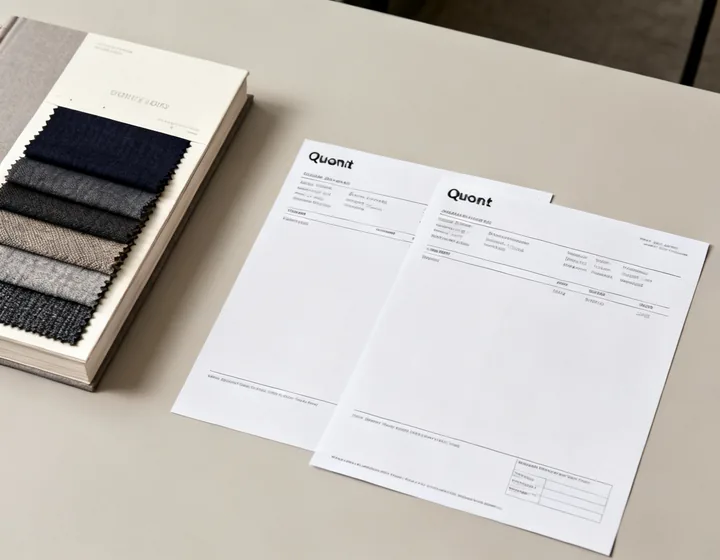
Side-by-side mill quotation sheets with a fabric swatch book

Supplier and sample handoffs

Apparel programs often mix woven bottoms, knitted tops and shirting in one season. If those constructions share one RFQ paragraph, mills answer with mixed inclusions. Split the brief so each proposed article can be priced, sampled and rejected on its own record.

Define deliverables and the approval sequence

List what the mill must quote: greige, yarn-dyed, piece-dyed, printed, coated or finished cloth; roll length; packing; and whether testing is included. Then list the approval sequence the buyer will actually use. A stock swatch can screen hand and construction. A lab dip addresses color on the nominated substrate. A strike-off addresses print placement. A pre-production sample addresses the agreed process. None of those stages automatically represents the bulk dye lot. Write the responsible reviewer, the decision date format, and which deviations may be accepted without a new sample. If a buyer later treats a hanger cutting as bulk approval, shade lots and shrinkage can drift without a documented owner. Keep the sequence in the RFQ message so every mill answers the same handoff, not an assumed mill calendar.

Record supplier exceptions and sample revisions

Ask each mill to mark exceptions beside the requested field, not in a separate marketing paragraph. Typical apparel substitutions include a different cotton grade, an open-end yarn where a ring-spun count was requested, a lighter GSM that changes drape, a narrower usable width that reduces marker yield, or a silicone finish that changes sewing. A denim-like twill offered against a cotton reference is still an exception until the buyer accepts the change in writing. Sample revisions need identity: article code, revision letter, date, and whether the mill changed yarn, dye recipe, sanforizing or inspection. Without that chain, a later bulk complaint cannot be tied to the approved cutting. LoomPilot Procurement records those exceptions in the comparison table; the buyer still decides which exception remains open.

Agree inspection responsibility and export handover

Inspection is not implied by a mill test report title. Name who samples the bulk, which defect standard applies, whether rolls are inspected at the mill or after finishing, and how failed lots are isolated. Export handover should state Incoterms, packing list fields, roll identification, and whether documents such as fiber-content statements are expected for covered US textile products. Qualified counsel, not this website, determines legal labeling. The sourcing desk can request current supplier documents bound to the quoted article, issuing body, scope and site. Those documents remain supplier evidence. They are not LoomPilot credentials and they do not convert an alternative into the reference brand. Freight, duties, sampling charges and payment terms belong on the same comparison line as unit price; otherwise a low mill quote is not comparable delivered cost.

Prepare the next quotation comparison

Share the specification version, the sample stage in force, quantity with unit, and the US destination. Optional budget should name currency and whether it is per yard, meter, kilogram, roll or complete order.

Enter a first name.
Enter a last name.
Enter a company name.
Enter a work email.
Describe the material brief before sending.

Submitting a brief starts quote comparison. It does not create stock, mill authorization, or a delivery promise. See the Privacy Policy.